
Reclaim Your Life with Personalized Healthcare
A packed calendar can make health feel like one more item to manage. Sleep gets shorter. Meals become whatever fits between calls. A stiff neck, rising stress, low energy, or a skipped annual checkup gets pushed to “next month,” then next month becomes next year.
For many high-performing people in Vancouver, the issue is not a lack of interest in health. It is a lack of time, clarity, and follow-through.
A full-body health assessment can change that. Done well, it turns scattered symptoms, risk factors, lab results, lifestyle habits, and personal goals into a clear plan.
It does not replace urgent care or ongoing medical treatment, but it can help identify what needs attention, what is on track, and what practical steps fit real life.

Why busy professionals often miss the early signs
Vancouver rewards people who can juggle complexity. Work may stretch across time zones. Commutes, family duties, fitness goals, community commitments, and travel all compete for the same limited hours. In that context, health can become reactive.
Many people wait until something becomes difficult to ignore:
Energy drops and caffeine stops helping.
Sleep becomes lighter or less consistent.
Stress feels physical, showing up as headaches, jaw tension, stomach issues, or tight shoulders.
Exercise recovery takes longer.
Weight, blood pressure, cholesterol, or blood sugar changes without a clear reason.
Routine screening gets delayed.
Mental focus becomes harder to maintain.
These concerns may have simple explanations, but they can also point to patterns worth checking. The problem is that busy people often treat symptoms in isolation. They book a massage for tension, buy supplements for fatigue, change their diet for a week, then move on when work gets intense again.
A health assessment takes a wider view. It asks better questions:
What is normal for this person?
What has changed?
What risk factors are present?
Which concerns need medical follow-up?
Which habits are helping and which are quietly working against health?
What plan can actually fit into the week?
That last question matters. A plan that ignores workload, travel, family life, and stress will not last.
What is a comprehensive health assessment?
A full-body health assessment combines medical history, physical measures, lab work when appropriate, lifestyle review, and a clear discussion of next steps.
The goal is not to collect tests for the sake of testing. The goal is to build a useful picture.
Area assessed | What it can help clarify |
Medical and family history | Personal risk factors, inherited conditions, past diagnoses, medications, and screening needs |
Vital signs and physical exam | Blood pressure, heart rate, weight trends, basic physical findings, and areas for follow-up |
Lab testing when appropriate | Markers related to cholesterol, blood sugar, organ function, nutrient status, or other concerns based on clinical judgment |
Lifestyle review | Sleep, movement, nutrition, alcohol use, stress, recovery, and work patterns |
Mental health and stress check | Burnout risk, mood concerns, anxiety symptoms, and coping strategies |
Preventive screening review | Age-appropriate checks and overdue appointments, such as cancer screening, vision, dental, or vaccination review |
Personalized plan | Priorities, referrals, behavior goals, timelines, and monitoring |

Fatigue, brain fog, gut changes, poor sleep, and stress-related symptoms often need careful conversation. The best care is not rushed.
Personalized care means the plan starts with your life
Many health plans fail because they ask for a version of life that does not exist.
A lawyer working late during trial preparation may not manage five gym sessions a week. A founder traveling between Vancouver and other cities may need nutrition strategies that work in airports and hotels. A parent in a leadership role may need sleep support that accounts for family routines. A clinician, engineer, consultant, or creative professional may need stress recovery that fits unpredictable days.
Personalized healthcare starts with context. It recognizes that two people with the same lab result may need different plans.
If fatigue is the main concern, our medical director may look at sleep duration, sleep quality, workload, mood, nutrition, iron status, thyroid concerns, medication effects, alcohol use, training load, and other factors. Jumping straight to a supplement or a single diagnosis can miss the real issue.
A personalized plan often includes:
A short list of priorities instead of a long list of unrealistic goals
Clear timelines for follow-up
Specific habits tied to existing routines
Medical referrals when needed
A way to track progress without becoming obsessive
Adjustments when life changes
The result should feel grounded, not generic.
Factors that affect health more than people think
Vancouver offers clear health advantages. Access to walking trails, seawall paths, mountains, bike routes, fresh food, and outdoor spaces can support a healthy lifestyle. At the same time, the city has pressures that shape daily health.
High housing costs can increase financial stress. Long commutes from surrounding areas can reduce time for sleep, cooking, and movement. Rainy seasons can affect mood, daylight exposure, and exercise habits. Competitive industries can normalize long hours and constant availability. Social calendars, client dinners, and travel can add more strain.
A health assessment for someone living and working in Vancouver should account for these realities.
That might mean:
Planning outdoor movement around weather and daylight
Building strength routines that do not depend on long gym sessions
Checking vitamin D status only when clinically appropriate and discussing safe supplementation when needed
Addressing alcohol patterns linked to networking or social commitments
Making use of walkable neighborhoods, parks, and community recreation where possible

What to expect before, during, and after an assessment
A health assessment should feel organized. It should also feel human. The process works best when it gives both the provider and the patient enough information to make smart decisions.
Before the appointment
Preparation makes the visit more useful. Bring or gather:
A current medication and supplement list
Past diagnoses and surgeries
Family health history, especially heart disease, diabetes, cancer, stroke, and mental health conditions
Recent lab results or imaging reports, if available
Vaccination history, if known
A list of symptoms, even if they seem minor
Three goals for the appointment
Those goals do not need to sound medical. They can be as simple as:
“I want to stop feeling tired all the time.”
“I want to understand my heart health risk.”
“I want to build a plan I can maintain during busy work periods.”
During the appointment
A provider will usually ask about health history, current concerns, habits, stress, sleep, nutrition, movement, and family history. They may perform a physical exam and order lab tests or screening based on age, risk, symptoms, and clinical guidelines.
The most useful assessments include conversation, not just testing. A wearable device, lab panel, or body composition scan can offer information, but it does not replace clinical judgment.
After the appointment
The follow-up is where change happens. Results should be explained in plain language. A useful care plan should identify what needs attention now, what can wait, and what should be monitored.
A clear follow-up plan might include:
Medical referrals
Repeat blood work in a set period
A nutrition or exercise plan
Stress management support
Sleep changes
Medication discussion with a physician or nurse practitioner
Preventive screening appointments
A review date to check progress
A good assessment does not end with a PDF. It ends with direction.
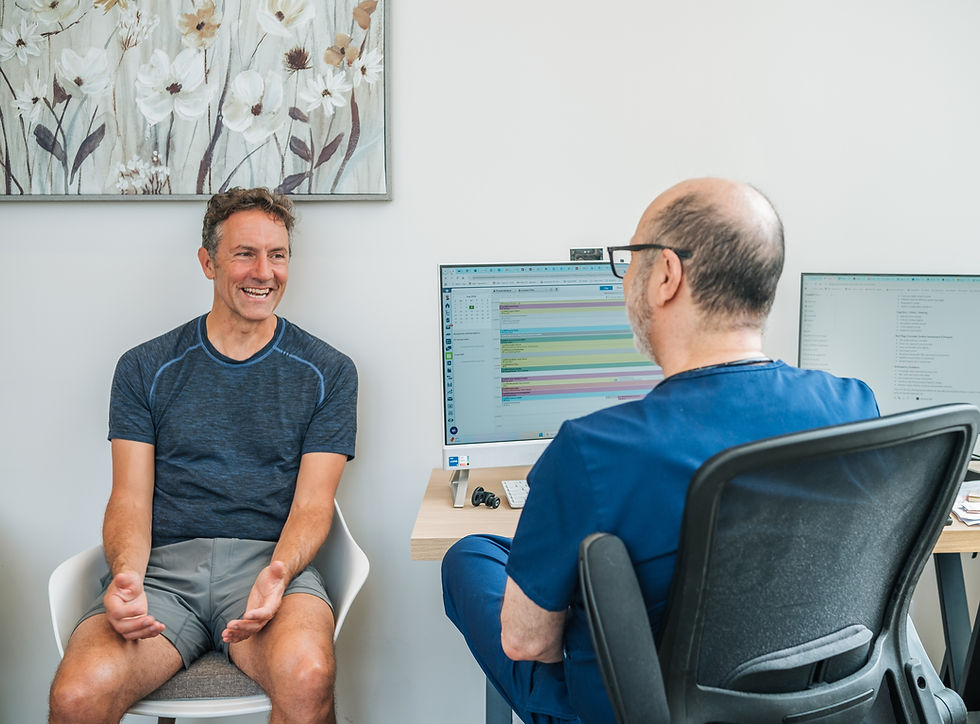
Reclaiming life starts with knowing what to change
A health assessment will not create more hours in the day. It can help make better use of the energy, attention, and health already available.
For busy Vancouver professionals, the value is practical. A thorough assessment can catch overlooked risks, explain confusing symptoms, organize preventive care, and turn general health goals into a plan that fits real life.
The aim is not to chase perfect wellness. The aim is to feel more present, capable, and steady in the life already being built.
Book a Meet & Greet with our Medical Director
Want to know more and ask medical questions before signing up to be a member of Georgia Healthcare?
Contact us: 604 373 9911
Email: info@georgiahealth.ca

This article is for general educational purposes and does not replace individualized medical advice, diagnosis or treatment.


Comments