
Unlocking Preventative Health for your Heart
September 29th is World Heart Day, and we believe early detection of heart conditions can save lives and improve quality of life.
One of the most effective tools for preventative heart care is the Electrocardiogram (ECG), a simple, non-invasive test that provides crucial insights into your heart’s electrical activity. This blog explores how comprehensive heart health checkups, including ECG testing, play a key role in preventing serious cardiac issues.
What can you expect in a Complete Heart Health Checkup?
Head-to-toe Physical Examination
Heart Electrocardiography ECG
Vascular Ultrasound Screening
Blood Pressure Test
Sleep Apnea Screening
Exercise Stress Test
Advanced Blood Tests
Whole Body Composition Analysis
A detailed report

What Is an Electrocardiogram (ECG)?
An Electrocardiogram, commonly called an ECG or EKG, records the electrical signals that control your heartbeat. Your heart produces electrical impulses that trigger each beat, and these impulses travel through the heart muscle in a specific pattern. The ECG captures this pattern by placing small electrodes on your chest, arms, and legs. These electrodes detect the electrical signals and send them to the ECG machine, which creates a visual graph of your heart’s activity.

Why ECG Testing Matters for Preventative Heart Health
Many heart conditions develop silently over time without obvious symptoms. ECG testing helps identify these hidden problems early, allowing for timely intervention. Some of the key heart issues that an ECG can detect include:
Arrhythmias: Irregular heartbeats that may cause palpitations, dizziness, or fainting.
Heart Disease: Conditions such as coronary artery disease that affect blood flow to the heart muscle.
Cardiac Abnormalities: Structural or electrical problems that could lead to heart failure or sudden cardiac arrest.
By detecting these conditions early, ECG testing supports preventative health by guiding doctors to recommend lifestyle changes, medications, or further diagnostic tests before serious complications arise.
Who Should Get an ECG Test?
ECG testing is useful for a wide range of people, including:
Individuals with a family history of heart disease.
People experiencing symptoms like chest pain, shortness of breath, or palpitations.
Those with risk factors such as high blood pressure, diabetes, or high cholesterol.
Athletes undergoing routine physical exams.
Adults over 40 as part of regular health screenings.
Even if you feel healthy, an ECG can reveal hidden heart problems that might not yet cause symptoms. Early detection through routine screening can prevent serious events like heart attacks or strokes.
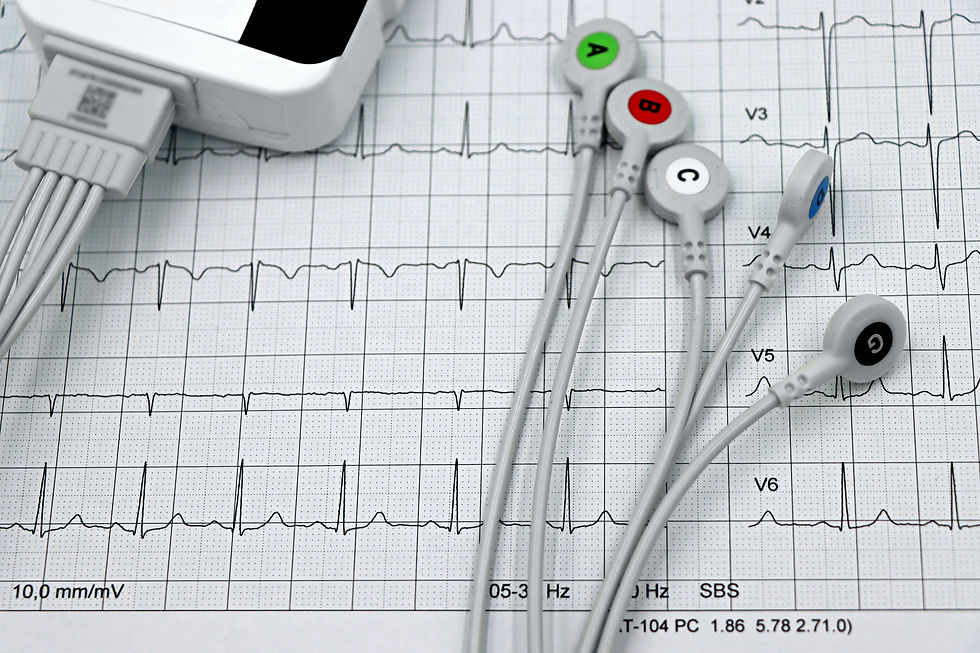
How can you benefit from a Holter Heart Monitor?
A Holter monitor is a portable, non-invasive device that continuously records your heart’s electrical activity over 24 to 48 hours. Our Holter monitor testing helps detect irregular heart rhythms, assess symptoms like dizziness or palpitations, and monitor heart health over time.
During the test, small electrodes are placed on your chest and connected to the monitor, which you wear as you go about your daily activities. Our healthcare professionals will analyze the recorded data to identify any abnormal heart rhythms and provide accurate insights into your cardiovascular health.
How Georgia Healthcare Supports Your Heart Health
Our complete heart health checkup is designed to provide fast, accurate results. Our experienced team uses advanced equipment to ensure reliable readings and clearly communicate your results.
How we can help:
Quick scheduling and minimal wait times.
Detailed explanation of ECG results.
Follow-up appointments to discuss next steps.
Provide action plans & support for lifestyle changes and ongoing heart health monitoring.
Our goal is to empower you with knowledge and tools to maintain a strong, healthy heart.
Practical Tips for Maintaining Heart Health
Here are some practical tips from our experts:
Eat a balanced diet rich in fruits, vegetables, whole grains, and lean proteins.
Exercise regularly, aiming for at least 150 minutes of moderate activity per week (30 min - 5x times a week).
Avoid smoking and limit alcohol consumption.
Manage stress through daily relaxation and adequate sleep.
Monitor your blood pressure and cholesterol regularly with the Holter or a 24-hour blood pressure monitor.
Follow your doctor’s advice on medications and lifestyle changes.
Taking these steps is shown to significantly reduce your risk of heart disease and preserve your quality of life. If you are ready to take the next step, book your heart checkup with Dr. Pourmand, ND.

Meet our Naturopath
Dr. Pourmand, ND is a valuable member of the Georgia Healthcare team. He emphasizes proactive, individualized preventive care, integrating advanced cardiovascular risk assessments with patient education and lifestyle guidance.
This article is for general educational purposes and does not replace individualized medical advice, diagnosis or treatment.



Comments